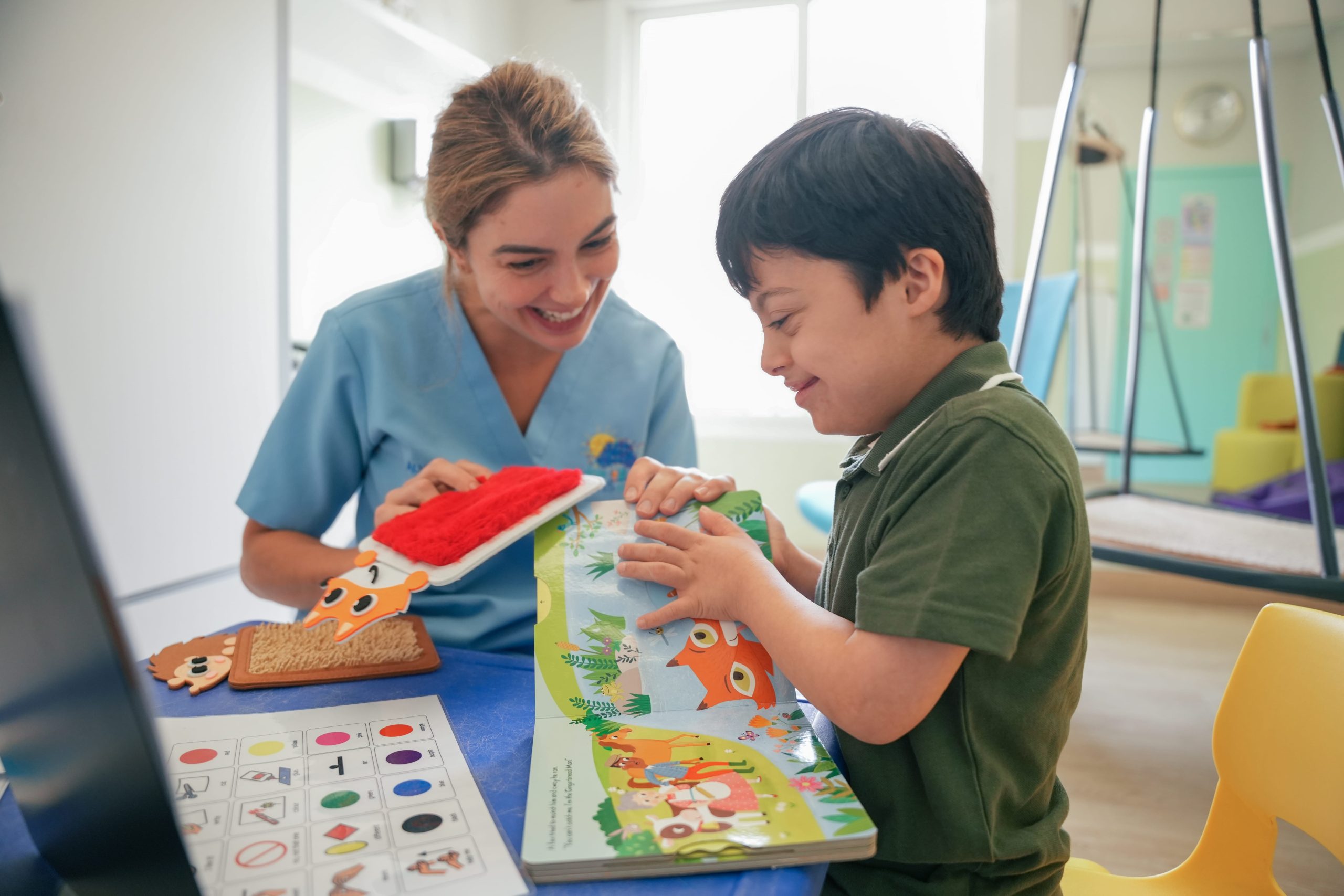
A child’s world is built on connection. From the playground to the classroom, the ability to communicate is the foundation of friendship and belonging. For children facing challenges with speech or language, these social interactions can be a source of frustration.
Speech therapy UAE provides the specific tools and support these children can use to build bridges to their peers, turning moments of isolation into opportunities for friendship.
Building blocks with board games:
Therapists often use simple board games to teach fundamental social rules. A game creates a structured environment where a child practices waiting for their turn, making a choice, and using phrases like “my turn” or “your turn.” This activity makes abstract social concepts like patience and shared participation clear and manageable, providing a strong base for more complex interactions.
The power of role-playing:
Through role-playing, children can rehearse common social situations in a safe space. A therapist might act out scenarios like asking to join a game or introducing themselves to a new person. This practice helps a child learn the appropriate words and body language for different situations, building their confidence so they feel prepared for real-life encounters.
Conversation as a tennis match:
A good conversation involves both speaking and listening. Therapists teach children to visualize conversation as a game of tennis, where each person takes a turn to “hit the ball” by asking a question or making a comment. Activities focus on staying on topic, making relevant comments, and asking questions about what the other person said, making dialogues feel less one-sided.
Reading the room with picture cards:
Interpreting emotions is a vital part of social connection. Using photographs or drawings of faces, therapists help children identify feelings like happiness, surprise, or anger. They discuss what might cause someone to feel that way and what an appropriate response could be, such as offering help or giving space. This skill helps children empathize and react sensitively to their friends.
Articulating for clarity and confidence:
When a child’s speech is difficult to understand, social withdrawal is common. Speech therapy includes exercises to improve the clarity of specific speech sounds. As a child’s articulation improves, their confidence grows. They become more willing to initiate conversations, answer questions in class, and speak up in group settings, because they trust they will be understood.